





![MORE THAN A GAME. With two diving catches in the outfield, the Lions showed up defensively, aiding in their victory over the Pacers. One catch was made by Atwood, and the other by McGraw. Throughout the game, the Lions knew that it wasn’t just about their victory today. “I think [playing for cancer] makes it bigger than just a game,” McGraw said. “Knowing that you have a bigger impact in this world than just who you are as one person.”](https://bestofsno.com/wp-content/uploads/2026/05/I70A1454-1-1200x800.jpg)


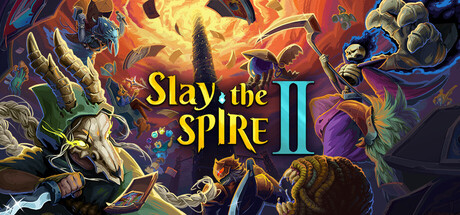
Following the success of the original “Slay the Spire,” Mega Crit released “Slay the Spire 2” for early access on March 5, and it has already proved itself a worthy successor. The sequel keeps the original game’s addictive objective of climbing up a spire while defeating enemies through turn-based combat and strategic deckbuilding, while providing enough new content like multiplayer co-op features and new playable characters to keep audiences interested. With five playable characters, 50+ milestones named epochs and a gameplay loop built around constant risk-reward decisions, the game offers a rewarding experience even if its randomness requires a steeper learning curve.
What makes “Slay the Spire 2” different as a sequel is that it adds to the original game as opposed to repeating it. The addition of multiplayer co-op, new characters and unlockable progression through different epochs makes the game feel more expansive without losing the originality of the first game. Instead of throwing away the core concept of the first game that made it successful to begin with, Mega Crit adds to it in such a way that makes the sequel feel memorable as its own game.
Strategic depth makes the game successful, as its many mechanics give players plenty to learn and build on. Managing energy on blocking and damaging, learning enemy patterns and reacting to intent trackers all push players to think beyond simply choosing cards at random. As a player, learning the nuances of the game makes it more entertaining than playing a low skill-cap game that doesn’t reward strategic thinking.
“Slay the Spire 2” has immense attention to detail, but the brainpower required to understand the nuances in the numerous encounters that players can have is ultimately also a fault in the game’s structure. This type of depth isn’t very encouraging to a casual gamer, as the strategy-heavy nature of the game means that novice players can’t get as much out of the game, especially without much time on their hands to figure out the game beforehand.
Fortunately, “Slay the Spire 2” has one of the most enjoyable deckbuilding in the roguelike deckbuilding genre, and as a result, players can manipulate their deck so that it maximizes the effectiveness of each person’s unique playstyle. Whether that means removing weak cards, stacking buffs or building toward specific combos, the game constantly rewards smart decisions. That freedom makes each successful run feel personal and satisfying.

However, because deckbuilding matters so much, early mistakes in the beginning phases when you are creating your deck are hard to recover from, and it feels like a punch in your gut when your strategy fails 45 minutes into a runthrough. This brutal reality can be frustrating, but it’s also the tradeoff of a game where every decision made can carry real consequences in the long run, and means that players make for a time investing experience that can pay off dividends if played correctly.
Despite this, gameplay still feels fair because it communicates information clearly. Enemy intent trackers clearly show everything that they will do on their turn unlike other games which only show certain actions, and that visual clarity helps players adapt to fights quickly while also rewarding their pattern recognition and careful planning. Because the game gives players tools to make informed decisions, winning feels earned rather than accidental.
“Slay the Spire 2’s” reliance on Random Number Generation can still get in the way of otherwise smart decision-making. Unlucky draws and poorly timed encounters from random path markers can make some runs feel unwinnable despite careful planning. This randomness can be exciting, but after a long time, it just feels unbearable, especially if a player is on a bad beat and is repetitively losing. Building a deck to have winning combos is one thing, but actually being able to use them when it really matters is another.
Overall, “Slay the Spire 2” stands out thanks to its deep strategy, rewarding deckbuilding and strong replay value, making every run feel important. The branching path system for the game changes how each climb plays out and can make or break a run, while epochs, random rewards and encounters keep things fresh and interesting. Building a new deck and seeing it succeed through smart choices gives each run a real sense of achievement, adding to the game’s addictive “just one more run” appeal. While the random elements, tough learning curve and harsh losses can be frustrating at times, these issues are small compared to what the game does well. With its satisfying combat and engaging gameplay loop, “Slay the Spire 2” is a strong early access release and a sequel worthy of the original.
RATING: 4/5
This story was originally published on El Estoque on March 23, 2026.