




![MORE THAN A GAME. With two diving catches in the outfield, the Lions showed up defensively, aiding in their victory over the Pacers. One catch was made by Atwood, and the other by McGraw. Throughout the game, the Lions knew that it wasn’t just about their victory today. “I think [playing for cancer] makes it bigger than just a game,” McGraw said. “Knowing that you have a bigger impact in this world than just who you are as one person.”](https://bestofsno.com/wp-content/uploads/2026/05/I70A1454-1-1200x800.jpg)


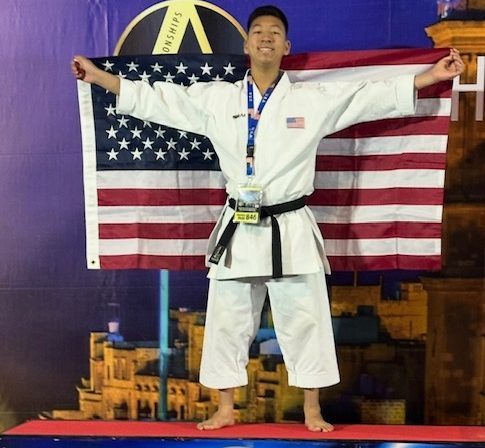
Moments before the match begins, sophomore Charlie Melia adjusts his black belt and takes a deep breath as he prepares for the competition ahead. He mentally goes over the techniques he has practiced for years, focusing on the steps that have brought him this far.
At the Malta Open International Karate Championships and the World Karate-Do Alliance (WKA) World Championship, both held from March 26-29, 2026, Melia competed against top athletes from around the world. His performances placed him among the top finishers, earning silver in two categories.

The first time Melia wore a white karate belt was in fourth grade. He began karate in hopes of becoming more “patient and disciplined” as a person, which are values that also helped him work with others.
“When I started, one of the things I liked about karate was being part of this big team,” Melia said. “I like all my teammates and being around them. I always like karate stuff and training together.”
Melia began training at House of Samurai under the guidance of his senseis Jose Dimacali and Renshi Rebecca Dimacali. His training includes warm-ups, stretching, sparring, forms and weapons work with tools such as a bō, sai and eku. After learning about the championships in Malta, Melia spent the past year preparing for the competition.
“They helped me with all the different parts, like my forms and my weapons,” Melia said. “They also helped me work on all the little things and make sure I focus on small details in my training, so I can try to improve every day.”
That attention to detail has also carried into how Melia approaches each practice. Rebecca Dimacali said that his “discipline is defined by his consistency and his deep respect for the ‘Sempai-Kohai’ (senior-junior) relationship.”
“Whether he is working through a complex kata with his instructors or drilling basics with his ‘dojomates’, he treats every interaction as an opportunity to learn and to give back,” Dimacali said. “He doesn’t just show up for himself; he shows up for the person standing next to him on the mat.”
Not only have Melia’s karate skills improved since he started, but also his leadership skills. As a co-captain, he supports younger members and helps set the tone during practices.
“His growth isn’t just visible in the sharpness of his techniques,” Dimacali said. “It’s in the way he transitioned from a student following the count to a leader who helps set the rhythm for the entire class.”
Additionally, Dimacali said his development “has been a profound joy for the entire community.”
“When he first bowed onto our mat, he was navigating the typical hurdles of a beginner,” Dimacali said. “However, what makes his growth special is how he embraced our dojo’s unique culture. Today, Charlie carries himself with a quiet, steady authority.”
During his first trip to Malta in 2024, Melia earned bronze in two categories. That experience introduced him to a much higher level of competition than the local tournaments he was used to. Looking back on his most recent trip, Melia said earning silver in two categories “felt great” and that he was “really excited.”

His mother, Becky Taggart Melia, said moments like that reflect the work leading up to the competition. His team trains 5-6 days a week, 12 months a year, including during training camps and tournaments.
“Seeing Charlie compete at that level is a joy because I see the hard work that goes on behind the scenes,” she said. “The best part of the trip was watching the support, respect and friendship that Charlie and his teammates have together and the beautiful job they did representing the United States.”
That opportunity to represent the U.S. also raised the stakes for Melia more than the local tournaments he competes in.
“It is harder since there are more competitors,” Melia said. “It makes you get more nervous because when I compete around here, it wasn’t as much pressure. So, there’s a lot more pressure to focus and do your best.”
To manage that pressure, Melia said he relies on steadying himself before a match begins.
“I would usually try to stay calm and relaxed,” he said. “Everybody gets nervous. I was really nervous when I did it first. But then, I try relaxing before a match, and take a deep breath, so that is the number one thing I try to do.”

That ability to handle pressure, Dimacali said, reflects the mindset he brings to training and competition. She said that Melia approaches each challenge with a “mountaintop perspective and embraces that struggle with a smile.”
“What strikes us most about Charlie is his balance of fierce resilience and genuine humility,” Dimacali said. “Most importantly, he embodies the heart of our Samurai Kin; he is a fierce practitioner during competition, yet the first person to offer a high-five and a word of encouragement to a ‘dojomate’ afterward.”
That same mindset also shapes how he handles setbacks. Melia said he views losses as an opportunity to improve his skills.
“You can learn from losing, obviously,” he said. “You can look back and see what you did right and what you did well, and then you can see what you need to work on. I just like to keep on training hard every day.”
Even with the weight of an international competition on his shoulders, Melia “enjoyed” sharing the experience with the teammates who have been part of his growth in the sport.
“I just like hanging out with all my teammates, which was fun,” Melia said. “That’s probably the thing I enjoyed the most.”
This story was originally published on The Lancer Spirit on May 6, 2026.